

Relaxation doesn’t require a complete life overhaul, a long vacation, or expensive routines. In fact, the most sustainable and effective way to feel calmer, more balanced, and less overwhelmed comes from small, intentional lifestyle changes practiced consistently over time. When you stack simple habits-like improving your mornings, caring for your body, and creating a peaceful environment-you build a foundation for long-term wellbeing.
This guide breaks down practical, realistic strategies you can start using right away. Each section focuses on small shifts that can have a big impact, helping you reduce stress, feel more in control, and create space for genuine relaxation in your everyday life.
Build a Simple Morning Routine That Sets a Calm Tone
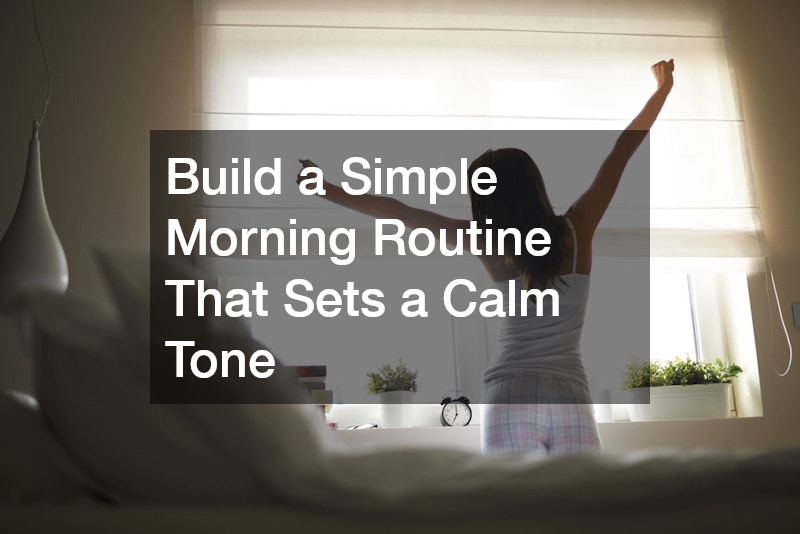
How you start your morning often determines how the rest of your day unfolds. A rushed, chaotic morning can leave you feeling behind before the day even begins, while a calm, intentional start creates momentum for focus and relaxation.
Begin by waking up just 15,20 minutes earlier than usual. This small adjustment gives you breathing room and removes the pressure of rushing.
Simple ways to create a calmer morning:
- Start with light stretching or gentle movement
A short stretch routine helps wake up your muscles, improve circulation, and reduce stiffness from sleep. Even five minutes of slow, intentional movement can make your body feel more energized and ready for the day. - Spend a few minutes breathing deeply or journaling
Practicing controlled breathing or writing down your thoughts helps clear mental clutter. This creates a sense of calm and focus before outside stressors begin competing for your attention. - Avoid checking emails or social media immediately
Jumping into notifications first thing can trigger stress and reactive thinking. Giving yourself a buffer allows you to stay grounded and begin the day on your own terms. - Drink water before caffeine
Hydration supports brain function and energy levels. Starting with water instead of coffee helps your body wake up naturally and prevents the jittery effects of caffeine on an empty system. - Plan something enjoyable to look forward to
Occasionally, starting your day at cafes or having a relaxed breakfast at restaurants can shift your mindset from rushed to intentional, making mornings feel like a positive experience rather than a task.
These small adjustments create a smoother transition into your day and reduce unnecessary stress before it begins. Over time, a calm morning routine becomes a reliable foundation for better focus and emotional balance.
Prioritize Physical Alignment and Body Awareness Daily
Physical discomfort and tension are often silent contributors to stress. Poor posture, tight muscles, and lingering aches can drain your energy and make it harder to relax mentally.
Small daily habits that make a big difference:
- Check your posture regularly
Becoming aware of how you sit and stand prevents strain on your neck, shoulders, and back. Small corrections throughout the day can significantly reduce long-term discomfort. - Optimize your workspace setup
Adjusting your chair, screen height, and desk position can prevent unnecessary physical stress. A properly aligned workspace supports both comfort and productivity. - Take short movement breaks
Standing up, walking around, or stretching every hour improves circulation and prevents stiffness. These quick resets also help maintain focus. - Add a short evening stretch routine
Stretching before bed helps release built-up tension and prepares your body for rest. This can improve both relaxation and sleep quality. - Seek professional support when needed
Persistent discomfort may require expert care. A chiropractic service can help correct alignment issues, while physical therapy can address deeper muscular imbalances and improve mobility.
Consistent attention to your body helps prevent small issues from becoming chronic problems. When your body feels better, your mind naturally follows, making relaxation easier and more sustainable.
Create Micro-Breaks That Actually Recharge You
Many people take breaks during the day, but not all breaks are truly restorative. Intentional pauses can significantly improve both mental clarity and relaxation.
Effective ways to recharge in just a few minutes:
- Step outside for fresh air and light
Exposure to natural light helps regulate your mood and energy levels. Even a short outdoor break can reduce stress and improve focus. - Practice deep breathing exercises
Controlled breathing activates your body’s relaxation response. Just a few minutes can lower stress and help you reset mentally. - Take a distraction-free walk
Walking without your phone allows your mind to decompress. It creates a mental break from constant input and improves overall clarity. - Listen to calming sounds or music
Soothing audio can reduce overstimulation and create a peaceful mental state, especially in noisy environments. - Address sensory overload if needed
If sound sensitivity or fatigue is an issue, consulting a local audiologist can help you better manage your environment and reduce stress triggers.
Short, intentional breaks allow your brain to recover and maintain steady focus throughout the day. By making these pauses a habit, you create a rhythm that supports both productivity and relaxation.
Upgrade Your Evenings for Better Relaxation and Sleep

Your evening routine plays a critical role in how well you unwind and how deeply you sleep. Creating a clear transition from work to rest is essential.
Ways to improve your evenings:
- Set a consistent end to your workday
Establishing a clear stopping point helps your mind shift out of productivity mode and into relaxation. - Use softer lighting in the evening
Dim lighting signals to your body that it’s time to wind down, supporting your natural sleep cycle. - Limit screen exposure before bed
Reducing blue light helps your brain prepare for sleep and improves sleep quality over time. - Replace passive scrolling with intentional activities
Engaging in meaningful relaxation-like reading or light hobbies creates a more fulfilling wind-down experience. - Create a comfortable relaxation space
A cozy setup or even a home theater installation can make your evenings feel more immersive and enjoyable, encouraging you to truly unwind.
A consistent evening routine trains your body to recognize when it’s time to relax. Over time, this leads to better sleep quality and a deeper sense of calm at the end of each day.
Invest in Small Self-Care Rituals That Boost Confidence
Self-care isn’t just about appearance-it’s about how you feel. When you invest in yourself, you build confidence and reduce stress.
Simple self-care practices to incorporate:
- Maintain a consistent grooming routine
Regular care helps you feel more put-together and in control of your appearance. - Schedule regular haircuts or treatments
Keeping up with appointments prevents last-minute stress and helps maintain a polished look. - Slow down and enjoy the process
Treat self-care as a relaxing ritual rather than a rushed task to improve its mental benefits. - Create a calming environment for routines
Adding music or quiet time can turn simple tasks into moments of relaxation. - Use professional services as a reset
Visiting a local salon or barber shop provides dedicated time to unwind while taking care of yourself.
When self-care becomes intentional, it shifts from obligation to opportunity. These small rituals can significantly improve how you feel both mentally and emotionally.
Take Care of Preventive Health Before Stress Builds Up
Preventive care helps you avoid unnecessary stress by addressing issues early and maintaining overall well-being.
Why preventive care matters:
- Reduces the risk of major health issues
Regular check-ups help identify concerns before they become serious problems. - Saves time and energy long-term
Addressing small issues early prevents more complex and time-consuming treatments later. - Improves overall quality of life
Feeling physically well supports mental clarity and emotional balance. - Provides reassurance and peace of mind
Knowing your health is in check reduces background anxiety. - Encourages consistent self-care habits
Visiting a dentist regularly is one example of maintaining a routine that supports long-term well-being.
Taking a proactive approach to your health reduces uncertainty and builds confidence in your well-being. When you stay on top of regular check-ups, address minor issues early, and maintain consistent care habits, you eliminate the lingering “what if” thoughts that can quietly contribute to stress. Instead of reacting to problems as they arise, you create a sense of predictability and stability around your health, which can be incredibly reassuring.
Plan Intentional Getaways to Break Your Routine

Changing your environment-even briefly-can provide a powerful mental reset and reduce stress.
How to make the most of short getaways:
- Choose calm, relaxing destinations
Quiet environments help you disconnect and recharge more effectively than busy ones. - Keep your schedule light and flexible
Avoid overplanning so you can focus on rest and spontaneity. - Disconnect from work responsibilities
Setting boundaries allows you to fully experience the break. - Focus on comfort over activity
Prioritizing rest helps you return feeling refreshed rather than exhausted. - Select accommodations that support relaxation
When you book a hotel, look for peaceful surroundings and amenities that encourage downtime.
Even short breaks can interrupt stress cycles and give your mind space to reset. When you step away from your usual routine-even briefly-you give your brain a chance to pause, process, and recover from constant stimulation. This helps reduce mental fatigue, improve focus, and prevent burnout from building up over time.
Design a Calm and Clutter-Free Living Space
Your environment has a direct impact on how you feel. A clean, organized space promotes relaxation and mental clarity.
Steps to create a more relaxing space:
- Declutter gradually
Tackling one area at a time makes the process manageable and sustainable. - Keep surfaces clean and simple
Reducing visual clutter helps your mind feel less overwhelmed. - Use calming lighting and colors
Soft tones and warm lighting create a more peaceful atmosphere. - Incorporate natural elements
Plants and natural textures can enhance your sense of calm. - Create a dedicated relaxation area
Having a specific space for rest reinforces your relaxation habits.
Creating a calm space makes it easier to relax without effort by removing friction from your daily experience. When your environment feels peaceful, your mind doesn’t have to work as hard to “switch off.” Over time, this connection becomes automatic-simply entering a well-designed, clutter-free space can trigger a sense of calm, helping you recharge more quickly and consistently.
Nourish Your Body with Relaxation-Friendly Habits
Your daily habits directly influence your energy levels and stress response. Supporting your body helps support your mind.
Nutrition habits that support relaxation:
- Stay consistently hydrated
Proper hydration improves focus, mood, and overall function. - Limit caffeine intake later in the day
Reducing caffeine helps prevent sleep disruption and anxiety. - Eat balanced, whole foods
Nutrient-rich meals support stable energy and reduce stress fluctuations. - Avoid heavy meals before bed
Lighter evening meals improve digestion and sleep quality. - Practice mindful eating
Slowing down during meals helps reduce stress and improve digestion.
When your body is properly nourished, it becomes easier to maintain steady energy and emotional balance. Small improvements in nutrition can lead to noticeable changes in how relaxed you feel.
Build a Weekly Reset Routine for Long-Term Balance

A weekly reset helps you stay organized, reduce stress, and maintain balance over time.
What to include in your weekly reset:
- Reflect on your past week
Identifying what worked and what didn’t helps you improve your habits. - Plan your upcoming schedule
Organizing your week reduces uncertainty and stress. - Tidy and reset your environment
Cleaning your space creates a fresh start. - Prepare meals or essentials in advance
Planning ahead reduces daily decision-making. - Set realistic priorities
Focusing on what truly matters prevents overwhelm.
A weekly reset provides structure and clarity that carries into your daily routine. By maintaining this habit, you create a stable foundation for long-term relaxation and balance.
Relaxation isn’t something you stumble into-it’s something you build, step by step. By making small, intentional changes to your daily habits, you create a lifestyle that naturally supports calm, balance, and wellbeing.
You don’t need to implement everything at once. Start with one or two changes that feel manageable and build from there. Over time, these small shifts will compound, leading to meaningful and lasting improvements in how you feel every day.
It’s also important to remember that relaxation looks different for everyone, and your routine should reflect your personal needs and lifestyle. As you experiment with these small changes, pay attention to what genuinely helps you feel more at ease and adjust accordingly. By staying consistent and flexible, you can create a sustainable approach to relaxation that supports both your mental clarity and overall quality of life.