
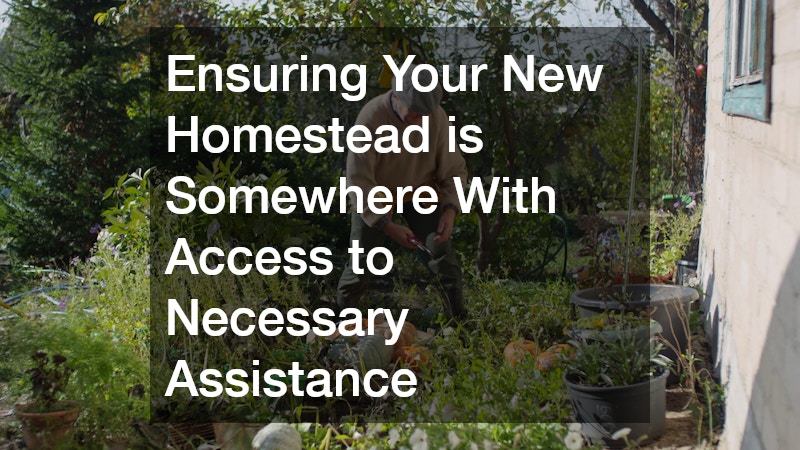
The dream of purchasing a piece of raw land, building an independent dwelling, raising livestock, and cultivating your own food is a powerful motivator for thousands of modern individuals seeking an escape from urban congestion. This movement toward homesteading is often framed around the romantic ideal of absolute self-sufficiency. Aspiring homesteaders routinely spend hundreds of hours analyzing topographical soil maps, calculating annual rainfall metrics, sketching out perfect permaculture orchard designs, and browsing digital blueprints for off-grid solar arrays. While these preparatory steps are highly enjoyable and necessary parts of the planning process, they frequently cause buyers to overlook a much harsher reality: no homestead can survive as a completely isolated island.
True self-sufficiency is not achieved by cutting yourself off from civilization; it is forged by intentionally integrating your property into a resilient, regional network of rural infrastructure. When the winter temperatures plummet below zero, your primary heavy machinery suffers a mechanical failure during a critical harvest window, or your breeding livestock experience a life-threatening medical emergency, your geographic proximity to professional help determines whether your homestead flourishes or collapses. Stepping onto a piece of land without first mapping out the surrounding support network introduces a level of operational risk that can quickly lead to emotional burnout and financial ruin.
Securing Heavy Machinery Maintenance and Field Logistics
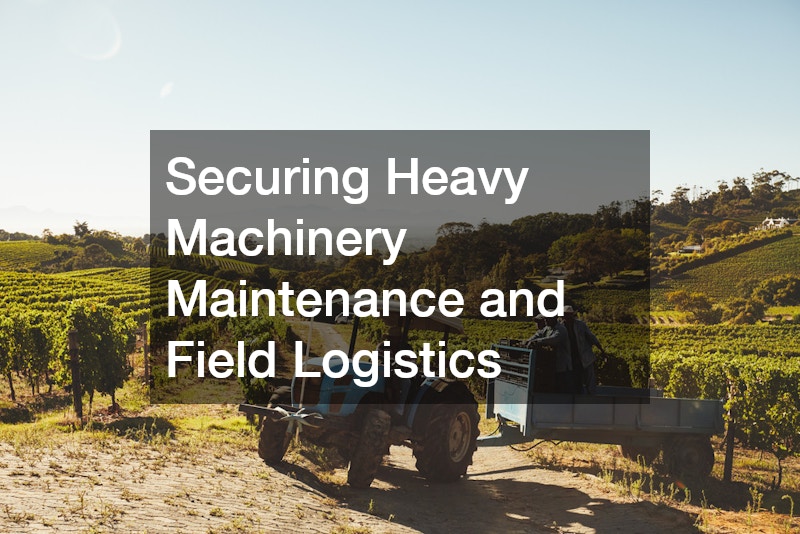
Relying entirely on manual human labor or light, consumer-grade lawn tools is one of the quickest ways to hit a ceiling of exhaustion on a developing homestead. To effectively manage acreage, clear dense brush, establish drainage ditches, move tons of compost, and manage multi-season crops, you will eventually need to acquire heavy agricultural machinery. Operating a compact utility tractor or a skid steer completely changes your productivity, transforming multi-week physical chores into manageable, single-day tasks. However, these heavy mechanical assets introduce significant maintenance responsibilities, complex hydraulic systems, and specialized diesel engineering requirements that the average homeowner is completely unprepared to handle alone.
Before finalizing an offer on a piece of rural property, you must actively investigate the local network of diesel mechanics and agricultural equipment dealerships. If your tractor throws a hydraulic code or suffers a structural axle fracture in the middle of your spring planting week, you cannot afford to wait weeks for a mobile technician to travel from a distant metropolitan hub. You must ensure your land search places you within a reasonable towing or service radius of a verified tractor repair service that keeps dedicated service bays open for local farmers. Furthermore, managing your machinery on-site requires a proactive approach to parts inventory. Your workshop barn should feature a dedicated storage rack stocked with high-wear components like fuel filters, alternator belts, and specialized hardware. Sourcing these precision items requires establishing an active commercial relationship with a nearby distributor specializing in certified agricultural parts, ensuring that a simple broken belt does not cause your entire field operation to stall during peak operational windows.
- Map out heavy equipment transport routes: Verify that the rural roads, bridges, and culverts leading to your property can safely support the weight of commercial flatbed trailers if your machinery ever requires transport to a regional shop.
- Establish an on-site fluid baseline: Keep a multi-month supply of model-specific diesel engine oils, hydraulic fluids, and universal greases stored in fireproof cabinets within your workshop to handle routine preventative maintenance internally.
Fortifying Domestic and Agricultural Climate Redundancies
Maintaining absolute control over the climate boundaries of your property is a matter of survival, both for your family and your agricultural investments. A modern homestead frequently features highly sensitive micro-climates that go far beyond standard residential living spaces, including automated greenhouses, temperature-controlled seed starter labs, and high-visibility incubator brooder rooms filled with fragile newborn chicks. A sudden, unmanaged spike or drop in temperature inside these critical biological zones can instantly destroy a full year of crop planning or result in catastrophic livestock losses.
Protecting these delicate biomes requires a combination of robust structural insulation, advanced environmental monitoring sensors, and immediate access to responsive climate technicians. During the intense heat of the summer months, your crop processing sheds and incubator labs rely continuously on stable air cooling networks to prevent heat exhaustion and spoilage. Your property evaluation checklist must include vetting regional refrigeration and HVAC contractors to ensure you have a trusted, responsive specialist available for seasonal AC service to keep your baseline air treatment machinery optimized. Conversely, preparing for extreme winter thermal drops demands an equal amount of structural defensive planning. If your primary wood furnace, pellet boiler, or alternative fuel heating system encounters a mechanical failure during a severe winter freeze, your plumbing lines can burst within hours, creating an immediate emergency. You must verify that your homestead lies within the prompt emergency response territory of a technician certified in specialized heating repair, guaranteeing that your core thermal infrastructure can be restored before the deep freeze compromises your household operations.
- Deploy standalone wireless environmental alarms: Install independent, battery-backed temperature and humidity sensors throughout your greenhouses and animal shelters that send instant alerts to your smartphone the moment climate metrics breach safety boundaries.
- Implement physical thermal backup systems: Equip your primary residential space and critical outbuildings with non-electric, gravity-fed wood stoves or localized propane heaters to serve as a reliable manual defense if your primary climate control array fails.
Engineering Emergency Power Systems and Infrastructure Backups
One of the most predictable realities of rural living is the inherent instability of the public electrical grid. While urban and suburban neighborhoods are typically reconnected to power within hours of a major storm, remote rural properties are consistently placed at the bottom of a utility company’s restoration queue following severe weather events. A prolonged grid outage on a homestead is not a minor inconvenience; it means your electric fencing loses its charge, allowing livestock to escape, your deep freezers full of preserved harvest meats begin to thaw, and your primary well pump stops delivering clean water to your family and animals.
To insulate your homestead from these systemic utility disruptions, you must design a comprehensive, multi-tiered emergency power system centered around industrial-grade backup generation. Calculating your property’s total baseline and peak wattage demands allows you to size a stationary, automated standby unit that can cleanly run your well, your refrigeration loops, and your life-support electronics simultaneously. However, because backup generators rely on complex internal combustion engines, they require continuous mechanical oversight and professional technical support to ensure they fire up reliably when the main grid fails. Your infrastructure planning matrix must include sourcing certified industrial small-engine specialists who are fully equipped to perform complex generator repairs, manage automatic transfer switch alignments, and execute comprehensive multi-point inspections on your emergency energy array before a major storm system arrives.
- Implement a strict fuel stabilization routine: Store an independent, multi-week supply of diesel or liquid propane on your property, utilizing commercial-grade stabilizing additives to prevent fuel degradation during long storage periods.
- Practice regular system load testing: Run your backup generation system under full household load for at least thirty minutes every month to verify that all transfer switches, voltage regulators, and internal components function perfectly.
Sourcing Industrial Agricultural Materials and Bulk Feeds
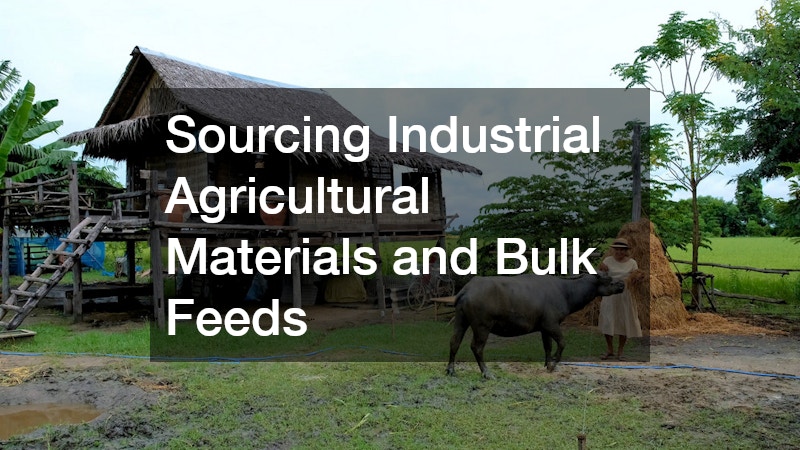
Building a successful homestead requires managing immense physical volumes of raw inputs, including macro-nutrient animal feeds, organic pasture amendments, bulk grains, structural fencing wire, and clean animal bedding material. Relying on standard retail pet stores or small suburban garden centers for these essential operational supplies is financially unsustainable and logistically impractical. To maintain healthy profit margins and ensure your soil and animals receive optimal nutrition, you must learn to operate within commercial, B2B agricultural supply chains.
The proximity of your land to a major agricultural logistics hub is a critical variable that directly impacts your daily operational costs and processing timelines. If you are forced to drive two hours into a neighboring county every time you need a pallet of livestock mineral blocks or a truckload of organic fertilizer, the hidden costs of vehicle wear, fuel, and lost physical labor will rapidly drain your capital. When scouting locations, prioritize properties that sit within easy driving distance of an established, comprehensive farm supply center. Building a strong personal relationship with the managers of a localized commercial cooperative gives you direct access to deep wholesale pricing structures, custom bulk grain blending options, and heavy material delivery networks that can drop off commercial tonnage directly to your barn doors, keeping your homestead fully provisioned through every season.
- Design secure, pest-proof storage spaces: Construct raised, lined metal silos or reinforced feed rooms to store your bulk grain deliveries, completely insulating your investment from mice, rats, and moisture damage.
- Maintain an independent ninety-day reserve: Keep a continuous, rolling buffer of essential livestock feeds, specialized medications, and clean bedding on your property to survive unexpected seasonal supply chain blockages.
Mapping Advanced Trauma Care for Livestock and Working Animals
The emotional and financial stakes of managing livestock are incredibly high. Whether you are raising a small herd of dairy goats, a flock of pastured laying hens, a family milk cow, or high-value breeding heritage pigs, animal health challenges are an inevitable reality of agricultural life. While a homesteader must develop a strong baseline knowledge of basic animal husbandry, minor wound care, and preventative parasite management, there will inevitably be moments when an acute medical emergency completely surpasses your personal capabilities.
When an animal experiences a difficult, obstructed labor, a deep predator wound, an acute toxic ingestion, or an outbreak of a fast-moving pasture disease, a delay of a few hours can mean the difference between a successful intervention and a tragic loss. Your geographic search for land must explicitly evaluate your proximity to advanced large-animal medical infrastructure. You must identify the closest 24-hour animal hospital that features dedicated, heavy-duty livestock surgical suites, equine and bovine diagnostic imaging equipment, and secure intensive care bays. Having a definitive route to a fully staffed clinical facility ensures that if an animal requires complex emergency surgery or round-the-clock intravenous fluid therapy, you have a direct path to an elite medical team that can preserve your valuable agricultural assets.
- Designate an isolated quarantine zone: Build a dedicated, secure sick bay on your property, completely separate from your primary barns, to safely isolate sick or newly arrived animals from the main herd.
- Equip a comprehensive veterinary trauma kit: Stock an industrial storage container with specialized large-animal medical tools, including sterile scalpels, sutures, obstetric chains, antiseptics, and veterinary bandages.
Vetting Everyday Preventive Healthcare Networks for Working Animals
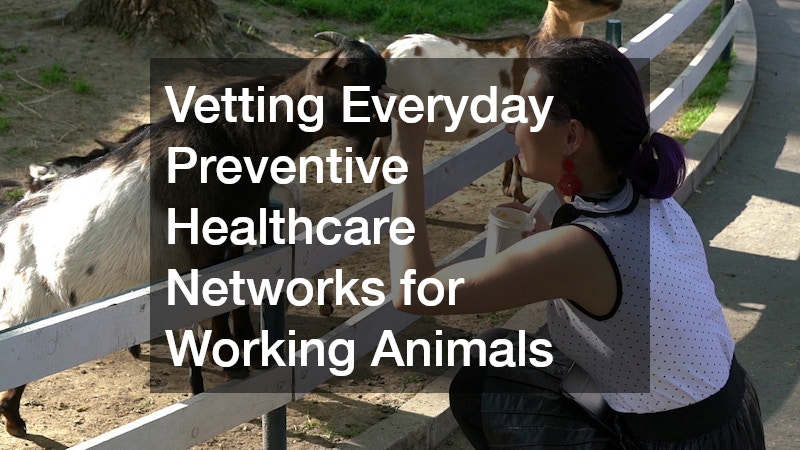
Beyond the large livestock herds that populate your pastures, a functioning homestead relies heavily on a dedicated team of working animals. Livestock guardian dogs live continuously with your sheep or goats to deter apex predators; herding dogs provide the essential coordination needed to shift animals between rotational grazing paddocks; and barn cats provide continuous, eco-friendly pest control across your feed storage areas. Because these working animals are highly active operational assets that are continuously exposed to field hazards, ticks, and wild parasites, maintaining their health through consistent preventative medicine is a non-negotiable priority.
While an advanced trauma hospital is vital for major emergencies, your daily peace of mind depends on your integration into a local, community-based preventative healthcare network. Take the time to audit the surrounding towns to compile a geographic index of all nearby veterinarian practices and community-based local vet clinics. Building an active relationship with an established local animal vet ensures that your working dogs stay fully compliant with mandatory rabies laws, receive routine heartworm preventatives, and undergo early disease screenings. Furthermore, having a trusted, neighborhood practitioner who understands the unique demands of a working farm asset allows you to secure essential prescription feeds, coordinate preventative herd immunizations, and access professional advice tailored specifically to your regional soil and climate conditions.
- Schedule annual baseline wellness checkups: Use local clinical networks to perform regular fecal egg counts and blood panels on your working dogs, catching hidden parasitic strains before they reduce field performance.
- Coordinate on-site mobile farm calls: Partner with regional practitioners who offer mobile veterinary services, allowing you to bundle routine multi-animal immunizations into a single, low-stress farm visit.
As you navigate the exciting phases of your rural land search, challenge yourself to look past the superficial romance of untouched wilderness. Stop evaluating acreage solely on the beauty of its views or the seclusion of its boundaries. Step forward as a strategic founder and score every potential piece of property based on its physical proximity to verified repair networks, agricultural distributors, emergency services, and trusted clinical care providers. By taking absolute ownership of your logistical safety nets before you clear a single field or build a single barn, you protect your family from catastrophic operational friction. With a solid mechanical framework, robust utility redundancies, and an established connection to a resilient rural community, you can confidently build an independent homestead that will safely nourish, support, and sustain your lifestyle for generations to come.