

Every home has a story, but older houses often carry legacy building materials that require careful management. Decades ago, construction standards relied heavily on materials that are now recognized as serious environmental hazards. Left undisturbed, many of these elements remain stable, but aging structures and home renovation projects can release microscopic toxins into the air your family breathes every single day.
Assessing Aging Insulation and Structural Elements
Older insulating materials, vintage ceiling tiles, and original floor backing can contain toxic mineral fibers that cause severe lung damage when disturbed. If you live in an aging home and plan to remodel, never attempt to tear out original materials without professional testing. Hiring accredited asbestos removal services ensures that these microscopic carcinogenic fibers are safely contained and disposed of without contaminating your living space or exposing your children to respiratory risks.
Managing Lead Paint Risks on Historic Surfaces
Homes built prior to the late nineteen-seventies frequently feature layers of lead-based paint under modern coats. As doors and windows open and close, friction creates invisible lead dust that settles on floors where young children play. Inspect window sills and door frames regularly for chipping, and use wet-wiping techniques rather than dry sweeping to capture fine dust particles before they can be ingested or inhaled.
Mitigating Legacy Piping and Plumbing Toxins
Heavy metal contamination can also originate from older plumbing infrastructure installed before modern health codes took effect. Lead solder on copper pipes, legacy lead service lines, and aging brass fixtures can slowly leach toxic metals into your family’s daily tap water. Running your kitchen tap with cold water for a few minutes before drinking, routinely testing municipal supply lines, and replacing outdated household connections help protect growing children from long-term neurological risks.
Indoor Air Quality and Respiratory Comfort

The air circulating through your home can carry a mix of organic allergens, volatile chemical compounds, and airborne debris. Because modern homes are sealed tightly to conserve energy, these pollutants often become trapped indoors, continuously recirculating through your living spaces and placing an invisible strain on your family’s immunity and respiratory system.
Optimizing Air Filtration Systems
Your heating and cooling system acts as the lungs of your home. Standard thin fiberglass filters only catch large debris like hair and fluff, allowing fine dust, pollen, and pet dander to pass right through. Upgrade to high-efficiency particulate air filters with a high rating, and establish a strict calendar reminder to replace them every two to three months to keep airborne irritants to a minimum.
Reducing Volatile Chemical Compounds
New furniture, synthetic carpets, pressed wood cabinetry, and conventional household cleaners continually off-gas chemical vapors. These compounds can cause frequent headaches, nausea, and persistent throat irritation. Choose low-emission paints during redecorating, opt for natural cleaning products like vinegar and baking soda, and open windows for fifteen minutes daily to flush out stale air.
Balancing Indoor Humidity Levels
Relative humidity inside your home should ideally hover between thirty and fifty percent. Excessively dry air irritates sensitive mucous membranes and makes your lungs more vulnerable to seasonal viruses, while overly humid air encourages the growth of dust mites. Utilizing smart humidifiers in winter and dehumidifiers during damp summer months creates an balanced environment that supports healthy breathing.
Neutralizing Invisible Soil Gas Infiltration
Radon is an odorless, natural radioactive gas that seeps upward from underlying soil into foundations, basements, and living areas. Prolonged exposure to this invisible gas represents a leading cause of long-term lung health issues for non-smokers. Installing inexpensive continuous electronic monitoring devices or placing passive testing canisters in your lowest living space ensures early detection, allowing you to install specialized sub-slab depressurization systems if elevated levels are found.
Biological Invaders and Allergy Management

Unwanted pests and microscopic organisms do far more than create an annoying inconvenience; they actively degrade your home’s hygiene and introduce potent biological triggers. Pests shed waste, drop dander, and transport bacteria into areas where your family cooks, eats, and sleeps, leading to unexplained allergic reactions and disrupted sleep patterns.
Preventing Rodent and Insect Infestations
Insects and small rodents continuously seek warmth, moisture, and food scraps inside residential structures. Their droppings and shed exoskeletons crumble into fine dust that settles into carpets, triggering severe asthma attacks and chronic nasal congestion. Partnering with a licensed exterminator allows you to identify hidden entry points, set safe monitoring traps, and eliminate pest populations before they establish a permanent footprint inside your walls.
Blocking Unwanted Outdoor Pests
Insects can crawl through the smallest foundation cracks or gaps around exterior utility lines. Beyond maintaining clean kitchen counters and storing dry food in sealed glass containers, scheduling routine pest control services provides a defensive perimeter around your foundation. Regular inspections ensure that persistent crawling insects are kept outdoors where they belong.
Managing Invasive Outdoor Animals
Larger pests like raccoons, squirrels, bats, and opossums frequently nest in cozy attics, crawlspaces, or chimney flues. These animals carry dangerous parasites, leave behind concentrated waste, and can compromise your home’s structural insulation. Engaging professional wildlife removal services ensures these creatures are humanely extracted and that their entry points are permanently sealed with heavy-duty mesh and structural repairs.
Eliminating Bed Bugs and Fabric Irritants
Microscopic parasites can easily enter your living quarters via travel luggage, pre-owned furniture, or clothing items. These tiny invaders nest inside mattress seams, baseboards, and upholstered seating, causing painful night bite marks, severe skin inflammation, and sleep deprivation. Washing bed linens weekly in hot water, vacuuming mattress seams thoroughly, and utilizing protective hypoallergenic encasements safeguard your family from painful nocturnal irritation.
Water Quality and Household Moisture Issues
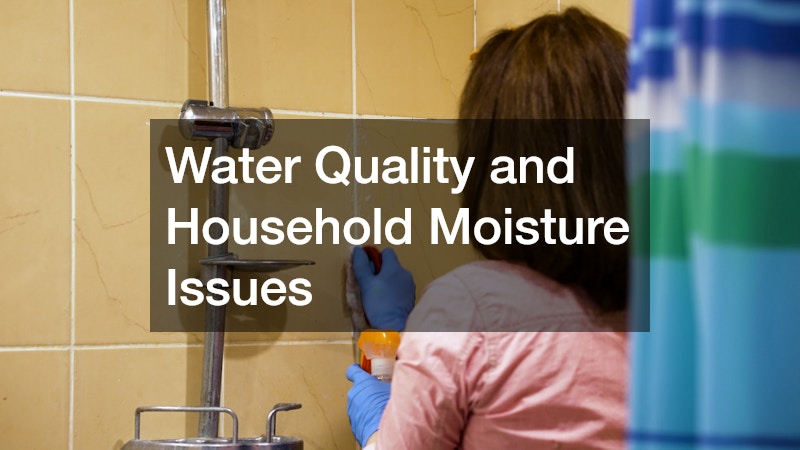
Water is essential for life, but uncontrolled water inside a home is one of the quickest ways to compromise both structural integrity and family health. Plumbing leaks, high groundwater, and improper drainage create breeding grounds for harmful bacteria and toxic mold, while poor tap water quality can expose your body to unwanted heavy metals and synthetic chemicals.
Addressing Plumbing Leaks and Flooding Disasters
When a pipe bursts or an appliance overflows, water rapidly seeps into porous drywall, wooden subfloors, and soft carpeting. Within twenty-four to forty-eight hours, damp building materials begin harboring toxic mold spores that release fungal toxins into your air supply. Hiring certified water damage services immediately after a leak ensures that heavy-duty commercial air movers and industrial dehumidifiers thoroughly dry hidden wall cavities before mold can take root.
Restoring Health After Major Excess Moisture Exposure
Soaking rainwater or sewage backups introduce hazardous microbes directly into your living spaces. Simply wiping down surfaces with household towels is never enough to protect your household from lingering bacterial contamination. Comprehensive water restoration protocols involve extracting standing liquid, tearing out unsalvageable porous materials, and applying eco-friendly antimicrobial treatments to prevent deep-seated fungal growth.
Upgrading Drinking Water Filtration
Municipal water supplies and private wells can carry trace pharmaceuticals, microplastics, chlorine, and elevated heavy metal levels that affect long-term vitality. Installing a point-of-use water purification system at your kitchen sink removes unpleasant odors, neutralizes trace contaminants, and provides your entire family with fresh, clean hydration that supports cellular health.
Ensuring Safe Warm Water Infrastructure
A malfunctioning hot water system is more than an inconvenience during morning showers; it can become a breeding ground for dangerous thermal bacteria if temperatures drop too low, or pose severe scalding risks if set too high. Scheduling prompt local water heater repairs keeps your hot water tank running at a safe sixty degrees Celsius, eliminating harmful bacterial growth while ensuring consistent, reliable heat for dishwashing and laundering.
Controlling Crawlspace Moisture Accumulation
Unsealed crawlspaces beneath traditional foundations accumulate ground dampness, which naturally rises upward into main living areas through convective airflow patterns. This continuous upward moisture drift degrades wooden subflooring and accelerates dangerous fungal spore growth under carpet padding. Installing thick polyethylene vapor barriers over bare soil, sealing perimeter vents, and utilizing dedicated crawlspace dehumidifiers protects overall household structural integrity.
Whole-Body Health and Environmental Wellness

When mysterious symptoms like persistent brain fog, chronic muscle aches, digestive discomfort, or unexplained skin rashes linger despite standard medical visits, the underlying cause may lie right inside your living room. Human health is deeply connected to the environments where we spend our time, making it vital to look at health through a holistic, environment-focused lens.
Exploring Holistic Health Approaches
When household toxins subtly compromise your immune system, traditional quick fixes often fail to resolve the core issue. Consulting with a clinic focused on local functional medicine helps you explore how environmental stressors affect your internal biochemistry. These specialized practitioners evaluate body burden, run targeted toxicity panels, and create customized lifestyle plans to help your body eliminate accumulated residential toxins.
Educational Insights for Healthy Living
Understanding how nutrition, environmental science, and human physiology intersect empowers parents to make safer choices for their households. Many health educators gain their specialized knowledge through accredited associate degree programs that cover environmental health, community wellness, and preventative care principles. Learning these fundamentals helps families evaluate product labels, understand home diagnostic tests, and implement evidence-based habits.
Reducing Electromagnetic and Electrical Stressors
Modern residential environments are filled with continuous wireless network signals, smart home hubs, and complex household electrical wiring layouts. While non-ionizing energy field exposure remains low, high electrical concentration near sleeping areas can disrupt sensitive melatonin output and cause restless nocturnal energy. Moving smart routers away from bedrooms, unplugging heavy electronics at night, and avoiding bedside mobile phone charging help maintain lower nighttime physiological stress.
Creating Restful and Low-Stress Spaces
Beyond physical toxins and biological allergens, the psychological landscape of your home plays an immense role in your family’s overall health. High noise levels, poor lighting, and cluttered rooms stimulate the nervous system, elevating stress hormones like cortisol and preventing deep, restorative sleep.
Optimizing Sleep Environments
Your bedroom should be an absolute sanctuary dedicated to physical recovery. Synthetic lighting from television screens and smart devices tricks the brain into suppressing melatonin, making it difficult to fall into deep sleep stages. Install blackout curtains to block outdoor streetlights, keep electronic devices out of the sleeping zone, and maintain a cool overnight room temperature to encourage natural sleep cycles.
Cultivating Clutter-Free Living Areas
Physical clutter creates visual noise that constantly demands your brain’s processing power, leading to subtle, subconscious anxiety. Streamlining your living spaces by organizing belongings, utilizing closed storage cabinets, and donating unused items instantly creates a calm atmosphere. A simplified room promotes mental clarity, lowers daily stress levels, and makes routine cleaning far easier.
Maximizing Natural Sunlight Exposure
Sunlight regulates our internal circadian rhythms, boosts daytime mood, and encourages healthy Vitamin D synthesis. Dark, dreary interiors can contribute to seasonal mood changes and daytime lethargy. Keep window glass clean, pull back heavy drapes during morning hours, and position work desks near windows to maximize your daily intake of natural daylight.
Incorporating Biophilic Design Elements
Bringing natural living components directly into indoors creates lower psychological tension and lowers blood pressure responses. Incorporating non-toxic indoor plants, using natural wood and stone textures, and adding soothing running water features help bridge the barrier between built indoors and natural outdoors. These soft organic accents absorb residual sound waves, improve visual beauty, and nourish family mental wellness.
The condition of your home directly influences the physical vitality, mental clarity, and daily comfort of everyone living under your roof. By systematically addressing indoor air quality, controlling excess moisture, managing potential biological pests, and creating low-stress living zones, you transform your house into a true sanctuary. Small, intentional changes made today build a safe environment where your family can thrive for years to come.