
In a world that seems to spin faster every year, peace of mind has evolved from a luxury into a vital necessity. We often think of tranquility as something that happens to us—a stroke of luck or the result of a quiet weekend. However, true psychological stability is more often a result of the systems we build and the services we utilize to offload the stressors of daily life.
To achieve a boosted peace of mind, one must look at the intersection of nutrition, physical wellness, environmental aesthetics, and mental maintenance. When you outsource the “noise” of life to professionals and specialized services, you reclaim the cognitive bandwidth necessary to actually enjoy your existence. This guide explores the specific styles of living and professional services that serve as the scaffolding for a more serene, balanced life.
Eating for Emotional Stability
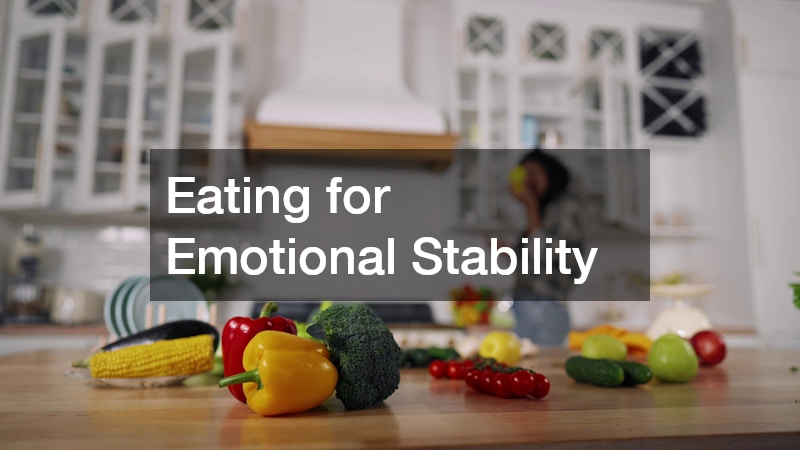
The connection between the gut and the brain is no longer a matter of folk wisdom; it is a clinical reality. What we consume dictates the chemical signaling in our brains, affecting everything from our patience levels to our ability to handle a crisis. To find peace, we must first find a style of eating that supports a steady nervous system. When our blood sugar spikes and crashes, our emotional regulation follows suit, leading to a cycle of fatigue and anxiety that colors our entire worldview.
Prioritizing Brain-Boosting Nutrients
One of the most effective ways to lower systemic inflammation—which is often linked to anxiety—is to focus on lean, nutrient-dense proteins. Incorporating fresh seafood into your weekly meal rotation is an excellent start. Cold-water fish are rich in omega-3 fatty acids, which are essential for maintaining the structural integrity of brain cells and reducing the cortisol spikes that leave us feeling frayed. These healthy fats act as a lubricant for the mind, ensuring that neurotransmitters like serotonin can move freely.
When dining out, the goal is to enjoy the experience without the subsequent “brain fog” that comes from heavy carbohydrates. A simple yet effective strategy is to opt for a protein style burger. By replacing the bun with a crisp lettuce wrap, you avoid the blood sugar roller coaster that often leads to a mid-afternoon slump or irritability. This small shift allows you to participate in social rituals while keeping your internal chemistry balanced and calm, proving that health-conscious choices don’t have to alienate you from a standard social life.
Smart Supplementation: Consider vitamin D3 and B12 tests to ensure your nutritional floor is high enough to support basic mood regulation.
Mindful Mastication: Practice chewing each bite thirty times to improve nutrient absorption and trigger the vagus nerve for better relaxation.
Hydration First: Dehydration can mimic the symptoms of anxiety, including a racing heart and lightheadedness. Aim for 3 liters of water daily.
The 80/20 Rule: Focus on whole foods 80% of the time, leaving 20% for flexibility. This prevents the “all-or-nothing” stress associated with strict dieting.
Mineral Support: Ensure you are getting enough magnesium through dark leafy greens, as this mineral is known as “nature’s relaxant.”
Cultivating Comfort Through Shared Experiences and Craft
Peace of mind isn’t just about what you omit from your life; it’s about the quality of the experiences you include. There is a profound psychological comfort in “slow” experiences—those that honor tradition, quality, and community. By engaging in activities that require patience and presence, we train our brains to exist in the “now” rather than the “next.” This shift in perspective is the ultimate antidote to the frantic pace of digital-age expectations.
The Art of Mindful Dining
In our rush-and-go culture, the act of sitting down for a meal can feel like a chore. However, seeking out high-quality italian restaurants can transform a Tuesday night into a restorative ritual. The Mediterranean approach to dining—focusing on fresh olive oils, seasonal vegetables, and the presence of loved ones—encourages a “rest and digest” state that is the antithesis of modern stress. It is about the sensory joy of the meal, the clinking of glasses, and the unhurried conversation that allows the nervous system to settle into a state of safety.
The Therapeutic Nature of the Kitchen
For many, the ultimate peace is found in the home. Engaging in the tactile process of baking or cooking provides a meditative “flow state” where the outside world falls away. To make this hobby sustainable and high-quality, many home enthusiasts have started sourcing wholesale baking ingredients. Having a pantry stocked with professional-grade flours, chocolates, and grains removes the friction of last-minute grocery runs and ensures that your creative outlet is fueled by the best possible components. This preparation fosters a sense of abundance and readiness.
Culinary Community: Join a local cooking club or bread-making workshop to combine the peace of crafting with the joy of human connection.
Herb Gardening: Keep fresh basil or rosemary on your windowsill to add a tactile, aromatic element to your daily kitchen rituals.
Batch Prepping for Peace: Spend Sunday afternoons preparing base ingredients. Knowing you have a healthy meal ready reduces “decision fatigue” on busy workdays.
Sensory Cooking: Focus on the smells of herbs and the texture of dough. This grounding technique pulls your mind out of future-based worries and into the present moment.
Investing in the Self
Sometimes, peace of mind requires a level of care that we cannot provide for ourselves. Modern wellness services have moved beyond superficial vanity and into the realm of integrated health management. Investing in professional services is a way of acknowledging that your time and energy are finite resources. By leveraging the expertise of specialists, you ensure that your “maintenance” is handled with precision, leaving you free to focus on your creative and professional pursuits.
Science-Backed Relaxation and Restoration
When the signs of stress begin to show physically—whether through skin flare-ups, tension, or fatigue—a medical spa can provide targeted solutions. Unlike traditional beauty parlors, these facilities blend clinical expertise with a relaxing environment, offering treatments that address the root causes of physical discomfort. Whether it’s vitamin IV therapy or advanced skin rejuvenation, these interventions help you feel refreshed on a biological level.
Parallel to physical care is the non-negotiable need for mental health support. Engaging with a therapist or counselor isn’t a sign that something is “broken”; it is a proactive strategy to maintain emotional hygiene. Talking through stressors with a professional allows you to externalize your problems, making them much easier to manage than when they are swirling internally. This mental clarity is the foundation upon which all other forms of peace are built.
Preventative Checkups: Schedule quarterly bio-marker screenings to catch physical stressors before they manifest as mental fatigue.
Digital Therapy Options: Use tele-therapy services for “maintenance” sessions when your schedule is too tight for in-person visits, ensuring consistency.
Sleep Hygiene: Invest in high-quality linens and blackout curtains. Quality sleep is the single most important factor in emotional resilience.
Consistent Scheduling: Book your wellness appointments months in advance. This ensures that self-care is a scheduled “duty” rather than an afterthought.
Sensory Reset
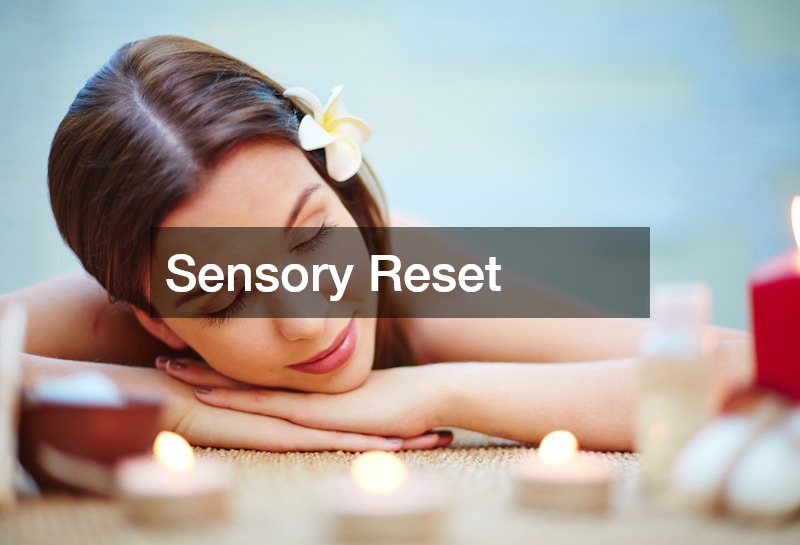
True tranquility often requires a complete disconnection from the digital world and a reconnection with the physical self. This is where the “style” of your self-care shifts from maintenance to deep restoration. Our bodies store stress in ways we don’t always realize—in the tightness of the jaw, the hunch of the shoulders, or the shallow nature of our breath. Deep restorative services work to unlock these physical manifestations of stress, providing a sense of lightness that carries over into our daily lives.
The Importance of Total Disconnection
There is a specific kind of peace that can only be found in silence and professional care. Regular visits to day spas offer a sanctuary where the phone is off and the focus is entirely on the nervous system. Whether it is through a deep-tissue massage or a facial, these services force a “hard reset” on your stress levels. It is a rare opportunity to be completely unavailable to the world, which is a powerful psychological tool for reclaiming your sense of self.
For those looking to align their physical confidence with their internal peace, a body contouring treatment can be a powerful tool. When we feel comfortable and confident in our physical form, we shed the layers of self-consciousness that often drain our social energy. It is about removing the “static” of body insecurity so you can focus on your passions and relationships, rather than being distracted by perceived physical flaws.
Hydrotherapy Rituals: Utilize steam rooms and saunas to facilitate the release of toxins and soothe overactive muscle fibers.
Guided Meditation: Look for spas that offer sound baths or guided breathing exercises to deepen the mental impact of your physical treatments.
Contrast Therapy: Try alternating between a sauna and a cold plunge. This strengthens the autonomic nervous system’s ability to handle stress.
Aromatherapy: Use essential oils like lavender or bergamot in your daily life to trigger the brain’s relaxation response through scent.
Movement and Environment
We often think of peace as stillness, but for many, peace is a byproduct of focused, intense movement. Additionally, the physical spaces we inhabit act as a mirror for our internal state. When our environment is chaotic, our minds reflect that chaos. By intentionally designing both our physical exertion and our physical surroundings, we create a “buffer zone” that protects us from the outside world’s unpredictability.
Finding Stillness in Motion
If you have a high-pressure job, a slow yoga class might actually make you more anxious as your mind wanders to your to-do list. In such cases, a high-intensity kickboxing class can be more effective. The requirement for total focus on form, speed, and power leaves no room for rumination. You emerge from the session physically exhausted but mentally clear, having “purged” the day’s frustrations through movement. This catharsis is an essential tool for those who carry high levels of “activated” stress.
Creating a Living Sanctuary
Our environment has a silent but constant impact on our cortisol levels. Cluttered, sterile, or gray environments can contribute to a sense of malaise. Taking a trip to a local garden center to bring living energy into your home can change the entire “vibe” of your living space. Plants not only filter the air but also provide a sense of purpose and a connection to the natural world, which is inherently calming to the human psyche. Tending to a living thing reminds us of the slow, steady pace of growth.
Sunlight Optimization: Arrange your workspace near windows to regulate your circadian rhythm and boost natural serotonin production.
Soundscaping: Use white noise machines or indoor fountains to mask the disruptive sounds of traffic or noisy neighbors.
Biophilic Design: Incorporate natural materials like wood and stone into your home decor to mimic the outdoors.
Active Commuting: If possible, walk or bike through a park on your way to work. Even ten minutes of “green exercise” can significantly lower stress levels.
Building Your Personal Ecosystem of Calm
To sustain a boosted peace of mind over the long term, you must view these services and styles not as one-off treats, but as part of an integrated ecosystem. Peace is the result of a thousand small decisions: choosing the lettuce wrap over the bun, scheduling the therapy session before the crisis hits, and tending to the plants on your windowsill. It is the cumulative effect of these choices that creates a resilient mental state.
By identifying the specific areas where you feel the most friction—whether it is your health, your appearance, your diet, or your home—you can begin to strategically apply these services to smooth out the edges of your life. The goal is to create a life that you don’t feel the constant need to escape from. When your systems are working for you, your mind is free to explore higher levels of fulfillment.
When you invest in the quality of your food, the health of your body, and the serenity of your surroundings, you aren’t just spending money; you are buying back your time and your happiness. True peace of mind is the quiet confidence that you have the resources, both internal and external, to handle whatever the world throws your way. It is a state of being prepared, being cared for, and being present in every moment of your life.