
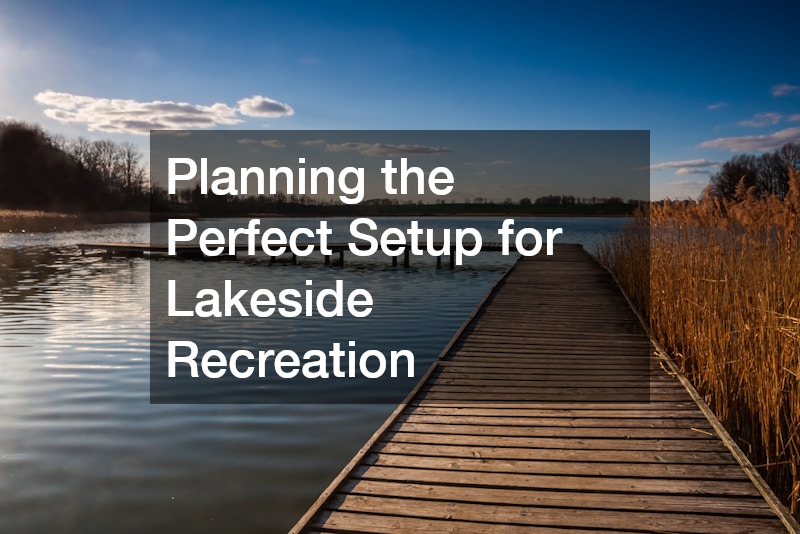
A well-designed lakeside property should make it easier to enjoy the water, protect your equipment, and maintain the shoreline over time. The ideal setup depends on how you use the property. A family focused on swimming and casual entertaining will have different priorities from someone who fishes every weekend, owns multiple vessels, or spends only part of the year at the lake.
Before starting any major project, consider water depth, shoreline stability, seasonal water-level changes, storm exposure, local regulations, and access for construction or maintenance equipment. These conditions can affect where structures may be placed, what materials are appropriate, and how much ongoing upkeep will be required.
It is also important to plan the property as a connected system. Shoreline protection, water access, vessel care, storage, towing, and residential amenities all influence one another. Installing features in the wrong order can lead to unnecessary excavation, repeated labor, or expensive modifications.
A phased plan allows you to address safety and structural needs first, followed by convenience, protection, and appearance. With careful preparation, your lakeside setup can remain functional, attractive, and enjoyable for many years.
Study the Shoreline Before Building Near the Water
The shoreline is the foundation of any lakeside recreation plan. Before adding stairs, seating areas, swimming platforms, or vessel access, evaluate the land and water conditions carefully. A structure that works well on a calm, shallow inlet may not perform safely on an exposed shoreline with waves, fluctuating water levels, or a steep drop-off.
A professional assessment can help identify:
- Seasonal changes in water depth
- Soft, rocky, or unstable lake-bottom conditions
- Prevailing wind and wave direction
- Existing erosion or soil loss
- Property boundaries and required setbacks
- Environmental restrictions
- Access for installation and future repairs
The design and placement of boat docks should reflect both the site and the way the waterfront will be used. A narrow straight layout may be sufficient for boarding a single vessel, while an L-shaped or T-shaped platform can provide more space for seating, swimming, and fishing. Floating structures may adapt better to changing water levels, while fixed systems may feel more stable where conditions allow them.
Avoid choosing a configuration based only on appearance. Measure the vessel, account for bumpers and safe walking space, and consider how people will move around one another. A dock that feels spacious when empty can quickly become congested when several passengers, coolers, fishing equipment, and water toys are present.
Shoreline damage should be addressed before installing expensive recreational features. Signs that may justify professional seawall services include cracks, leaning sections, missing soil, sinkholes, rusted components, or water flowing through joints. Erosion behind a retaining structure can eventually affect lawns, patios, walkways, and nearby buildings.
Drainage from the property also matters. Downspouts, hard surfaces, and sloped landscaping should not direct concentrated runoff toward the water’s edge. Stabilizing the shoreline first protects later investments and creates a safer base for access improvements.
Create a basic site plan before construction begins. Mark structures, utility lines, drainage routes, mature trees, swimming areas, and potential future projects. This helps prevent one improvement from interfering with another.
Make Launching and Boarding More Convenient
Convenient water access can determine how frequently you use your vessel. When preparing for an outing requires moving equipment long distances, removing multiple covers, or struggling with an unstable boarding area, spontaneous recreation becomes less appealing. A thoughtful setup should simplify preparation while protecting both people and equipment.
A boat house can provide shelter from sunlight, rain, falling leaves, bird droppings, and other environmental exposure. Before building one, confirm local rules governing size, height, setbacks, roof style, utilities, and construction over water. Some areas tightly regulate covered shoreline structures, even when existing access features are permitted.
The structure should be designed around the vessel rather than built to generic dimensions. Consider:
- Vessel length, width, and height
- Clearance above windshields or towers
- Water depth throughout the season
- Ventilation under the roof
- Safe electrical installation
- Lighting for evening use
- Storage for life jackets and small equipment
- Access for cleaning and maintenance
The roofline and materials should complement the main residence without unnecessarily blocking views. Keep storage organized so that equipment does not create tripping hazards around boarding areas. Closed cabinets, wall hooks, and designated bins can make preparation faster while protecting supplies from moisture.
A reliable lift can also make daily use easier by keeping the hull out of the water when the vessel is not being used. Regular boat lift service is important because cables, motors, pulleys, hardware, and supports are exposed to moisture and repeated loading. A small mechanical problem can become a safety issue if it causes uneven lifting or sudden movement.
Do not attempt to repair tensioned cables, heavy lifting components, or electrical equipment without proper training. Professional inspection before the boating season is usually more convenient than emergency service after the system becomes unusable.
Boarding accessories should be selected with passengers in mind. Children, older adults, pets, and people carrying equipment may benefit from stable steps, handrails, wider walkways, and clearly marked edges. Bumpers and guides can protect the vessel during windy conditions, while strategically placed cleats make docking more controlled.
The goal is to create a setup that feels easy to use without sacrificing safety. When boarding, loading, and securing the vessel become straightforward, the waterfront is more likely to be enjoyed regularly.
Protect Appearance, Performance, and Resale Value
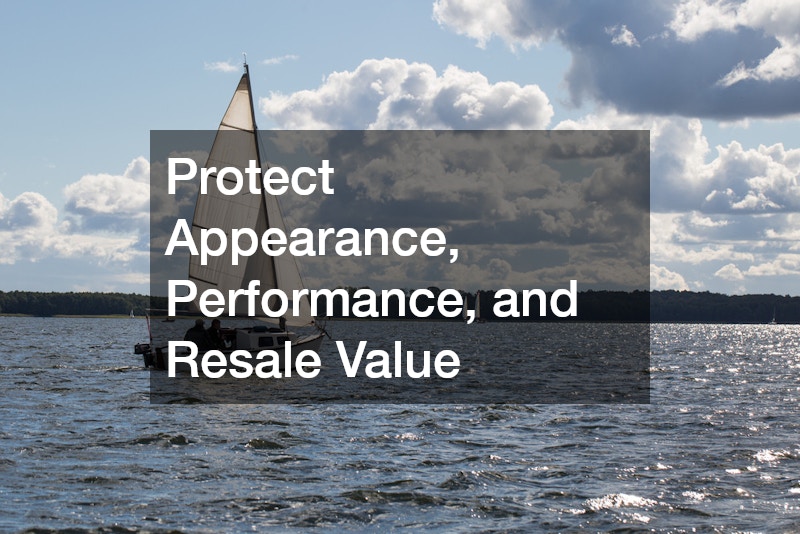
Routine vessel maintenance affects much more than appearance. A clean, mechanically sound vessel is safer, more efficient, and easier to sell. Small issues involving coatings, hardware, upholstery, or engine performance are usually less expensive to correct when discovered early.
Create a seasonal maintenance schedule based on the manufacturer’s recommendations and local conditions. Include:
- Hull cleaning and inspection
- Engine and fluid service
- Battery testing
- Propeller inspection
- Safety equipment checks
- Upholstery cleaning
- Trailer inspection
- Bilge and drainage checks
- Verification of navigation lights
Exterior surfaces deserve particular attention because they are continually exposed to sunlight, moisture, impacts, and contaminants. Boat painting may be needed when coatings become faded, chalky, cracked, peeling, or damaged. Protective work below the waterline may also be necessary depending on how and where the vessel is stored.
Proper preparation often has a greater effect on durability than the final color. Applying a new coating over poorly prepared material may produce a temporary cosmetic improvement but lead to premature peeling or bubbling.
Owners purchasing a new or replacement vessel should choose one that fits the lake and the property setup. A local boat dealership may be able to provide practical guidance based on regional water conditions, common vessel uses, and available service options. A boat designed for deep open water may not be practical for a shallow lake or narrow access area.
The total cost of ownership also includes registration, insurance, fuel, cleaning, service, storage, towing equipment, and seasonal preparation. A lower purchase price does not always mean lower long-term costs.
Keep an organized record of maintenance, repairs, upgrades, and inspections. Save receipts, manuals, registration information, photographs, and warranty documents. These records can simplify future service and demonstrate responsible ownership when the vessel is sold.
Prepare for Severe Weather and the Off-Season
A complete lakeside recreation plan should include what happens when the vessel is not in use. Storms, freezing temperatures, extended travel, and seasonal closures can expose equipment to damage. Waiting until the final boating weekend to make arrangements may limit your choices and increase costs.
When comparing boat storage facility options, consider whether indoor, covered, or outdoor space is most appropriate. Indoor storage usually offers the greatest protection, while outdoor storage may be more affordable and easier to access. Covered storage can provide a middle ground by reducing direct sun and precipitation exposure.
Avoid sealing moisture inside. A tightly covered vessel without adequate ventilation can develop mildew, odors, and material damage. Use covers designed for the specific vessel whenever possible and inspect them periodically.
Storm preparation may require moving the vessel away from the shoreline even during the active season. Determine in advance who will transport it, where it will go, and how much notice is required. Confirm that access roads remain usable during heavy rain and that the towing vehicle is available.
Planning early provides more flexibility. It also prevents hurried decisions during severe weather or at the end of the season, when service providers and secure spaces may already be fully booked.
Match Transportation and Housing Choices to Your Routine

Lakeside recreation does not require owning a large standalone waterfront home. Some people prefer a low-maintenance residence with shared amenities and a boat storage facility, while others need room for trailers, tools, and multiple vessels. The best arrangement depends on how often you visit, how much maintenance you want to perform, and where your equipment will be kept.
Waterfront luxury condos may appeal to buyers who want scenic views and convenient access without taking responsibility for every exterior feature. Amenities may include pools, shared marinas, fitness centers, security, landscaping, and gathering spaces. However, buyers should review association rules carefully before assuming their recreational plans will be permitted.
Questions to investigate include:
- Are slips owned, assigned, or rented?
- Is there a waiting list for marina access?
- Are there limits on vessel size?
- Where may trailers be parked?
- What do monthly fees cover?
- Who pays for shoreline or marina repairs?
- Are rentals restricted?
- How are storm preparations handled?
- What insurance does the association carry?
Views and amenities should be weighed against privacy, noise, parking, and recurring fees. A residence that appears convenient may be less practical if equipment must be stored far away or access to the water is highly restricted.
Transportation planning is equally important. Local trailer dealers can help match a trailer to the vessel’s weight, hull shape, and towing requirements. Axles, brakes, tires, bunks, rollers, lighting, winches, and couplers must all be appropriate for the load.
Confirm the towing capacity of the vehicle, including passengers, fuel, equipment, and additional cargo. Stated towing limits do not mean every load near the limit will handle comfortably on steep, wet, or winding roads.
Also consider where the trailer will be kept after launching. Some residential communities prohibit exterior trailer parking, while public launches may offer only limited space. Understanding these details before purchasing a vessel or residence can prevent ongoing inconvenience.
Build a Realistic Budget and Project Sequence
Waterfront recreation involves both initial investments and recurring expenses. A useful budget should include construction, permitting, maintenance, insurance, storage, transportation, and future replacement costs. Focusing only on the installation price can create financial surprises later.
Divide projects into priority groups:
- Safety and stabilization: Erosion, structural damage, electrical hazards, and unsafe access
- Essential use: Boarding areas, reliable lifting equipment, and basic lighting
- Protection: Covered areas, storage, drainage, and weather preparation
- Convenience: Seating, organized equipment areas, and improved pathways
- Appearance: Landscaping, decorative finishes, and entertainment features
A practical sequence is:
- Confirm property boundaries and regulations.
- Assess the shoreline and water conditions.
- Correct erosion or structural concerns.
- Establish safe access.
- Add vessel protection and handling systems.
- Prepare storage and transportation arrangements.
- Install lighting, seating, landscaping, and decorative features.
Obtain written estimates that separate labor, materials, permits, delivery, preparation, and cleanup. Ask whether future maintenance is included or available through a service agreement. For major projects, compare several proposals based on scope rather than price alone.
Create an annual reserve for inspections, mechanical service, coating maintenance, storm damage, winterization, and replacement parts. Equipment used near water is exposed to harsh conditions, so even high-quality materials require care.
Evaluate the value of each improvement based on:
- How frequently it will be used
- How much time it saves
- Whether it reduces property damage
- Its effect on safety
- Expected lifespan
- Maintenance requirements
- Potential buyer appeal
A project that saves only a few minutes may not justify a large investment if it requires frequent upkeep. Conversely, a structural improvement that protects the shoreline or reduces accident risks may deliver value even if it is not visually impressive.
Create a Setup That Can Adapt Over Time
Plan the perfect lakeside recreation setup with practical tips for shoreline care, vessel access, maintenance, storage, towing, and budgeting.
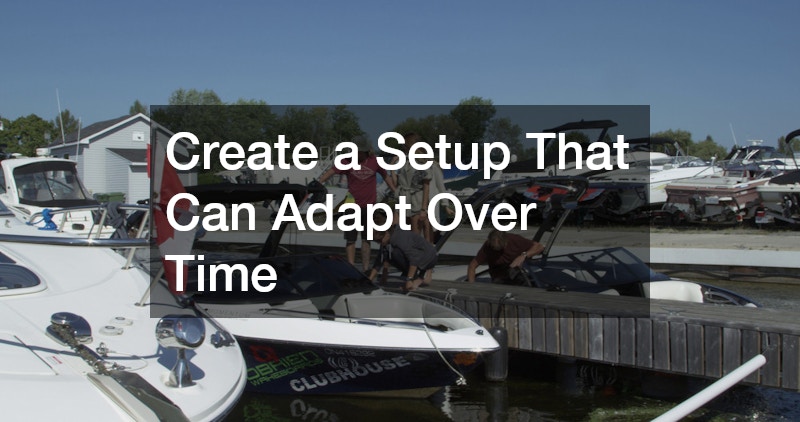
The best lakeside recreation plan supports current needs while leaving room for change. Household size, physical mobility, recreational interests, equipment, and local water conditions may all evolve. Features that are flexible and easy to maintain are often more valuable than highly specialized additions.
Review the property each year before the main recreation season. Look for erosion, loose fasteners, deteriorated surfaces, unstable access points, drainage changes, and vegetation that may create new risks. Update service records and make repairs before small problems interfere with use.
Keep permits, warranties, inspection documents, photographs, and maintenance instructions organized in one place. A simple property map showing utilities, access routes, shoreline features, and future project areas can also support better decisions.
Thoughtful sequencing is essential. Structural and environmental concerns should come before cosmetic work. Safe access should be established before entertainment features are added. Storage and transportation should be planned before equipment purchases are finalized.
A lakeside setup does not need to include every possible amenity. It needs to make recreation safe, practical, and enjoyable for the people who use it. By studying the site, budgeting for upkeep, and planning projects as parts of one system, homeowners can create a waterfront environment that remains attractive, functional, and rewarding for years to come.