

Planning for the future involves making thoughtful decisions about how your living space and daily lifestyle can support your changing physical needs. A home that feels comfortable and accessible today can remain safe, functional, and welcoming for decades with the right modifications and support systems. Thoughtful changes ranging from simple furniture updates to comprehensive structural redesigns help maintain independence and confidence at every stage of life.
Adapting Your Environment for Long-Term Comfort

Modifying your primary living environment is one of the most proactive steps you can take toward maintaining long-term independence. By anticipating physical changes before they affect daily life, you transform potential obstacles into manageable, comfortable aspects of your home.
Choosing Ergonomic Seating Solutions
As mobility changes over time, everyday furniture should provide both maximum comfort and physical support. Selecting seating with proper lumbar support, sturdy armrests, and appropriate seat height makes sitting down and standing up significantly easier. Advanced reclining furniture and specialized lift chairs can assist individuals with joint stiffness or reduced leg strength, allowing them to remain mobile within their living rooms without exertion. Incorporating these pieces seamlessly into your current decor ensures your home remains stylish while functioning effectively for your body.
- Evaluate current furniture heights across the house to identify chairs or sofas that require excessive physical exertion when standing.
- Look for seating options equipped with power-assist features, non-slip base footings, and easy-to-clean upholstery for long-term practicality.
- Ensure clear, wide walking pathways around major seating arrangements so mobility aids can pass through without obstruction.
Beyond simple seating upgrades, ergonomic considerations should extend to every room in your home. Selecting tables with rounded corners, positioning frequently used items within arm’s reach, and replacing standard door knobs with easy-turn lever handles dramatically reduces physical strain. These subtle adjustments work together to create a seamless living space where daily tasks require less physical effort and offer far greater comfort.
Remodeling Key Living Areas
Upgrading key areas of the house, such as bathrooms and kitchens, lowers the risk of accidental slips and improves overall convenience. Installing walk-in showers with zero-threshold entries, placing sturdy grab bars near fixtures, and adding non-slip flooring can transform a routine bathroom into a secure environment. In the kitchen, lower countertops, pull-out shelving, and easy-to-grasp cabinet hardware make daily meal preparation stress-free. Partnering with a licensed home remodeling service allows homeowners to integrate these accessibility features beautifully into existing floor plans.
- Replace standard bathtubs with barrier-free walk-in showers equipped with built-in benches and adjustable handheld showerheads.
- Install high-efficiency LED lighting underneath kitchen cabinets and along baseboards to eliminate dark shadows in work zones.
- Choose slip-resistant flooring materials such as textured tile, matte-finish vinyl, or low-pile commercial carpet for high-traffic zones.
Renovating critical areas also provides an ideal opportunity to update home plumbing, electrical systems, and climate controls. Upgrading to smart thermostats, touchless faucets, and motorized window shades allows individuals to manage their home environment effortlessly using voice commands or smartphone applications. Combining safety modifications with modern smart-home technology ensures that your renovated space remains both practical and enjoyable to live in.
Designing a Brand New Custom Space
For individuals considering a move or building a new residence from scratch, starting with universal design concepts in mind provides the ultimate flexibility. Single-story floor plans, wide doorways that accommodate wheelchairs, and level entryways eliminate architectural barriers before they ever become a problem. Working directly with an experienced home builder ensures that electrical outlets, light switches, and appliances are placed at convenient heights for long-term ease of use. Custom structural design allows you to create a beautiful, highly functional home tailored precisely to your personal lifestyle preferences.
- Design open-concept floor plans that eliminate tight hallways and facilitate effortless movement between kitchen, dining, and living spaces.
- Plan for wider door frames measuring at least thirty-six inches across to accommodate mobility equipment comfortably.
- Position primary bedroom suites, laundry facilities, and essential amenities exclusively on the ground floor level.
Building a custom residence also allows you to incorporate flexible space that can evolve with your needs over time. Rooms initially designed for home offices or craft spaces can easily transition into living quarters for short-term guests, family members, or caregivers. Planning for future possibilities during the initial blueprint phase saves significant time, money, and stress down the road.
Partnering with Specialized Regional Builders
When planning a new construction project, selecting local professionals who understand regional building codes and accessibility standards is essential. Engaging local custom home builders provides the opportunity to craft a living space designed specifically around aging-in-place principles. These experts can incorporate structural reinforcements for future safety features, create seamless indoor-outdoor transitions, and select energy-efficient materials that reduce long-term maintenance demands. A custom-built property offers peace of mind, knowing your living space is fully prepared for every stage of your journey.
- Consult with builders certified in aging-in-place techniques to review structural blueprints before construction begins.
- Request extra wall blocking behind bathroom drywall to allow secure installation of grab bars whenever they become necessary.
- Choose durable, low-maintenance exterior siding, composite decking, and metal roofing to minimize ongoing maintenance chores.
Working with regional builders also ensures that your home is optimized for local weather patterns and seasonal conditions. Proper insulation, efficient heating systems, and well-designed drainage keep the living environment comfortable year-round while keeping utility bills manageable. Building locally fosters strong working relationships with craftsman who remain accessible for future maintenance needs.
Building a Reliable Support System
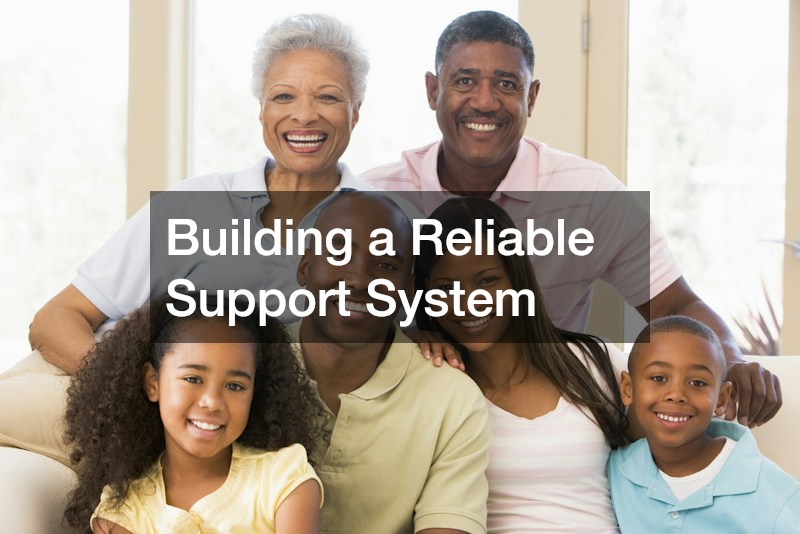
A secure and fulfilling future relies on having a reliable network of healthcare professionals, assistance options, and community resources. Establishing these connections early ensures that support is readily available whenever life demands a change in routine.
Finding Accessible Medical Professionals
Maintaining good health requires convenient access to trusted healthcare providers who understand your medical history. Establishing a long-term relationship with a reliable local doctor office ensures that routine checkups, preventive screenings, and prescription management remain simple and stress-free. Having medical professionals located close to home minimizes travel challenges and facilitates prompt attention whenever health concerns arise, helping you maintain optimal wellness as you age.
- Schedule routine wellness evaluations and preventive screenings regularly to detect potential health concerns early.
- Compile an updated list of current medications, dosage instructions, and primary physician contact details in a visible location.
- Verify that your healthcare facility offers telehealth options or home visitation services for periods when travel is difficult.
Building a comprehensive care team often extends beyond general practice physicians. Establishing contact with physical therapists, occupational specialists, and local pharmacists ensures an integrated approach to ongoing physical health. A cohesive health network allows for smoother communication between specialists and helps prevent conflicting medical recommendations.
Utilizing In-Home Support Options
Receiving extra assistance with daily tasks does not mean giving up the comfort of your personal living space. Personalized home care services offer assistance with meal preparation, light housekeeping, medication reminders, and personal grooming right in your own residence. These flexible arrangements can range from a few hours a week to daily visits, allowing individuals to retain their routines and autonomy while receiving the exact level of help they require.
- Assess specific household chores, transportation needs, and mobility tasks where additional assistance would improve safety.
- Interview multiple agency representatives to compare staff training standards, background checks, and care flexibility.
- Establish a clear daily schedule that balances personal independence with structured support from visiting caregivers.
In-home caregivers also offer invaluable social interaction, reducing feelings of isolation and supporting cognitive health. Whether sharing stories over lunch, playing card games, or accompanying you on outdoor walks, a dedicated caregiver quickly becomes a trusted partner in maintaining an active, fulfilling lifestyle.
Exploring Comprehensive Living Care Alternatives
When everyday needs expand beyond what basic in-home assistance can provide, exploring specialized care communities can be a proactive and empowering choice. Modern senior care services encompass a wide continuum of options, including vibrant independent living neighborhoods, assisted living residences, and specialized memory care facilities. Evaluating these choices early allows families to make calm, well-informed decisions together rather than reacting hastily during a medical crisis.
- Schedule guided visits to several regional living communities to experience the atmosphere, dining services, and daily activities firsthand.
- Review full pricing structures, care level adjustments, and contract terms carefully with financial advisors or family members.
- Inquire about staff-to-resident ratios, emergency response protocols, and available specialized medical support programs.
Transitioning to a residential community often brings new opportunities for social engagement, physical exercise classes, and hobby groups. Embracing these environments allows older adults to focus on enjoying life, building new friendships, and pursuing interests without the burdens of home maintenance and property upkeep.
Navigating Life Transitions and Practical Arrangements

Major life transitions require practical organization, open communication with loved ones, and detailed logistics planning. Preparing for future physical moves or end-of-life choices relieves emotional strain on family members and ensures your explicit preferences are honored.
Managing Downsizing and Relocation
Moving to a smaller home, a retirement community, or a single-story residence can be both exciting and overwhelming. Professional senior moving services specialize in easing this process by assisting with sorting belongings, packing fragile items, organizing logistics, and settling into the new space. These specialized movers understand the emotional weight of transitioning away from a longtime family home and provide compassionate, practical assistance every step of the way.
- Begin sorting personal possessions several months in advance, categorizing items to keep, gift to family, donate, or discard.
- Create a detailed floor plan of your new home to determine which furniture pieces will fit comfortably without creating clutter.
- Label boxes clearly by destination room and mark essential daily items for immediate unpacking upon arrival at the new residence.
Downsizing also provides a unique opportunity to pass down cherished family heirlooms, photo albums, and personal keepsakes to loved ones. Sharing stories and memories associated with these items turns the sorting process into a meaningful experience for the entire family.
Financial Planning for End-of-Life Decisions
Addressing end-of-life finances is an essential aspect of comprehensive future planning that protects surviving family members from unexpected financial burdens. Investigating average funeral cost metrics and comparing various arrangement types helps individuals set aside appropriate funds through insurance policies or trust accounts. Transparent financial planning ensures that final arrangements reflect your personal values while keeping expenses manageable for your estate.
- Consult with estate planning attorneys to establish formal wills, advance healthcare directives, and financial powers of attorney.
- Research prepaid funeral plans, dedicated savings accounts, and life insurance policies designed to cover final expenses.
- Document precise preferences regarding funeral services, memorial locations, and personal tributes in a secure document.
Documenting financial accounts, subscription services, and estate documents in a master organizer ensures that executors can handle administrative details efficiently. Clear administrative records prevent unnecessary legal complications and allow family members to focus on supporting one another during times of loss.
Selecting Final Commemorative Options
Making specific choices about final arrangements in advance ensures your wishes are known and respected. Many individuals choose simpler, local cremations as a flexible and dignified alternative to traditional burial services. Directing these decisions beforehand eliminates guesswork for grieving relatives, allowing them to focus on honoring your legacy and supporting one another during a sensitive time.
- Research regional memorial service providers to evaluate service packages, facility amenities, and pricing options.
- Discuss personal memorial preferences with family members to ensure everyone understands your specific values and desires.
- Place copies of final arrangement directions alongside important legal and estate planning documents in a fireproof safe.
Pre-arranging commemorative services allows you to personalize every detail, from music selections and readings to charitable donation recommendations. Taking charge of these decisions reflects personal thoughtful planning and serves as a final, loving gift to your surviving family.
Essential Strategies for Daily Living and Future Preparedness
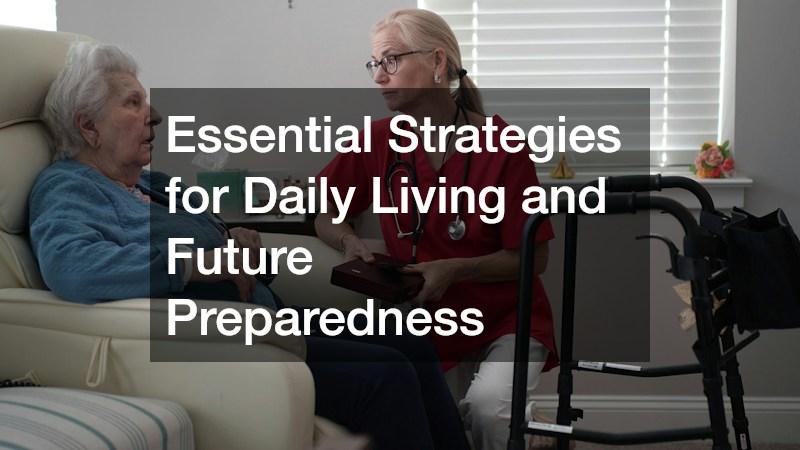
Proactive planning requires consistent action across physical, financial, and organizational domains. The following guidelines offer practical strategies to help you navigate future preparation with clarity and confidence:
- Declutter living spaces systematically by focusing on one room at a time, removing trip hazards like loose rugs and unused clutter.
- Organize crucial legal and financial paperwork into a secure, accessible location, ensuring trusted relatives or executors know how to access it.
- Review insurance policies annually to confirm coverage details for medical care, home modifications, and long-term assistance needs.
- Upgrade home lighting by installing brighter, energy-efficient LED bulbs and motion-activated nightlights along hallways and stairwells.
- Keep emergency contact lists, including doctors, family members, and trusted neighbors, clearly displayed near primary home telephones or posted on the refrigerator.
- Schedule regular consultations with financial advisors to align retirement savings with potential future healthcare and housing expenses.
- Participate in local community groups and social activities to maintain strong emotional connections and prevent social isolation.
- Test home safety equipment such as smoke alarms, carbon monoxide detectors, and security systems on a scheduled monthly basis.
- Establish a centralized physical or digital filing system for household warranties, appliance manuals, and property maintenance contracts.
- Review vehicle safety features and explore local transportation options, including shuttle services, to maintain mobility without driving.
Taking a proactive approach to planning your living arrangements and personal care is one of the most empowering decisions you can make for your future. By evaluating your home environment, establishing a dependable network of professional support, and addressing important logistical details well in advance, you lay the foundation for a safe, comfortable, and fulfilling lifestyle. Thoughtful preparation eliminates uncertainty, reduces stress for your loved ones, and ensures that you remain in control of your own journey every step of the way.