
Key Takeaways
- Poor air quality indoors is a serious global health issue, contributing to millions of deaths each year.
- Plants can filter certain toxins like formaldehyde, benzene, and trichloroethylene, but research shows ventilation often outperforms foliage for raw air cleaning.
- Low-maintenance options like snake plants and pothos suit beginners, while peace lilies and rubber plants demand more attention.
- Placement matters as much as plant choice — bedrooms, kitchens, and offices each benefit from different species.
- Pet owners should avoid lilies, pothos, and philodendrons, which are toxic if chewed or ingested.
- A realistic approach combines a handful of leafy greens with good airflow, humidity control, and routine cleaning.
Why Your Indoor Air Needs More Attention Than You Think
Most of us assume outdoor pollution is the real villain. Smog, exhaust fumes, factories — those are the usual suspects we’ve been trained to worry about since childhood. But the air circulating inside your bedroom, kitchen, and living room is often far more polluted than what’s drifting past your front door. Dust, pet dander, cleaning product residue, off-gassing furniture, and cooking fumes all gather in enclosed spaces. Add in things like scented candles, aerosol sprays, mold spores hiding behind baseboards, formaldehyde seeping out of pressed-wood cabinets, and the invisible chemical cocktail released by that “fresh linen” plug-in, and suddenly your cozy retreat starts to look less like a sanctuary and more like a sealed chemistry experiment.
Consider how much time you actually spend indoors. For most people, it’s somewhere between 85% and 90% of their lives — sleeping, working from home, cooking, relaxing, scrolling. Every one of those hours, your lungs are processing whatever happens to be floating around in that enclosed air. Poor ventilation, tightly sealed modern windows, and energy-efficient insulation all contribute to the problem by trapping contaminants rather than letting them escape.
The numbers are striking. Data show that indoor air pollution causes roughly 3.8 million deaths each year worldwide. That figure alone should make anyone rethink what they’re breathing when they walk through the door. Chronic exposure to even low levels of indoor pollutants has been linked to asthma flare-ups, allergies, headaches, fatigue, and long-term respiratory issues — the kind of nagging symptoms many people chalk up to stress or seasonal changes when the real culprit is sitting invisibly in the air around them.
Plants have become a popular remedy, celebrated on social media and in design magazines alike. Scroll through any corner of Instagram or Pinterest, and you’ll find lush, leafy corners of apartments marketed as the ultimate fix for a healthy home. But are they really the fix? Or is their reputation inflated? The honest answer sits somewhere in the middle — and understanding the trade-offs helps you make smarter decisions about what to buy, where to place them, and what to pair them with. Choosing the best indoor plants for cleaner air is a meaningful step, but it works best as part of a bigger strategy that includes ventilation, smart material choices, and mindful daily habits.
What Plants Can and Can’t Do for Air Quality
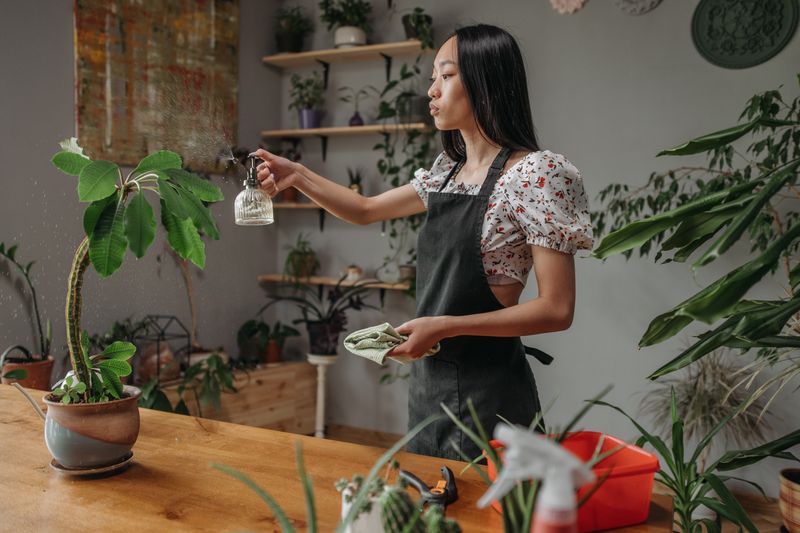
The famous 1989 NASA Clean Air Study is where the houseplant-as-purifier idea took off. Researchers at the space agency were investigating how to keep air breathable inside sealed space habitats, and they found that certain species absorb volatile organic compounds like benzene, formaldehyde, trichloroethylene, and xylene — chemicals that off-gas from furniture, paint, cleaning products, and synthetic fabrics. That study has been quoted endlessly in blog posts, plant shop signage, and marketing copy, often stripped of its original context — a sealed laboratory chamber the size of a small closet, not your living room with its drafty windows, open doorways, and constant air exchange.
More recent research tells a more sober story. A 2019 Drexel University analysis found you’d need more than 100 plants per room to match the air-cleaning effect of simply opening a window for a few minutes. The researchers reviewed decades of follow-up studies and concluded that the clean air delivery rate of a typical houseplant is simply too low to meaningfully compete with natural ventilation or a decent HEPA filter. That doesn’t mean plants are useless or that you’ve been lied to. It means they work best as part of a bigger strategy for a healthy home that includes ventilation, filtration, humidity control, and reducing pollution at the source — things like choosing low-VOC paint, avoiding synthetic air fresheners, and vacuuming regularly with a sealed-bag machine.
The Realistic Benefits You Can Expect
Plants still contribute something meaningful, even if they aren’t miracle workers, and the best indoor plants for cleaner air deliver a stack of smaller wins that add up over time. They raise humidity slightly through transpiration, which eases dry sinuses in winter and can reduce static electricity in heated rooms. They absorb carbon dioxide during the day through photosynthesis, releasing fresh oxygen in return — a modest exchange, but a real one. Some species, like peace lilies and spider plants, demonstrably reduce specific toxins or airborne microbes in controlled settings, and others appear to help trap fine particulate matter on their leaves. And psychologically, greenery lowers cortisol, blood pressure, and perceived stress while sharpening focus and improving mood — benefits confirmed in multiple hospital and office studies, and worth considering even if the direct air-quality impact is modest. In short, plants earn their keep; just don’t fire your air purifier to make room for them.
Comparing the Top Contenders Side by Side
Not every leafy green deserves the hype. Some tolerate neglect, others collapse at the first missed watering. Some tackle mold spores, others barely move the needle on formaldehyde. If you’re hunting for the best indoor plants for cleaner air, it helps to weigh them against each other instead of grabbing whatever looks nice at the garden center.
Here’s how the most popular picks stack up:
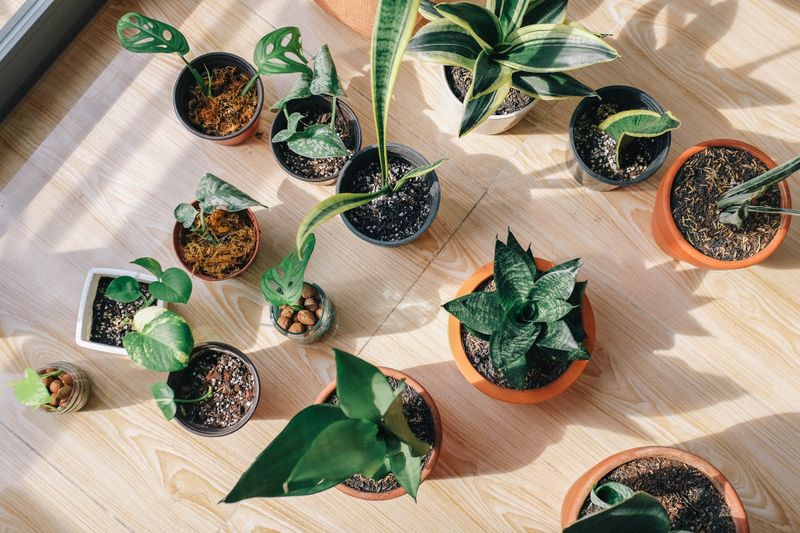
- Snake plant (Sansevieria): nearly indestructible, releases oxygen at night, handles low light
- Pothos: fast-growing vine, filters formaldehyde, forgiving of inconsistent watering
- Peace lily: strong against mold and VOCs, but toxic to pets and needs steady moisture
- Spider plant: pet-safe, tackles carbon monoxide, propagates easily
- Rubber plant: large leaves pull in airborne dust, prefers bright indirect light
- Boston fern: excellent humidifier, demanding about watering and misting
The peace lily deserves a closer look. According to Jay Scotts, this plant can clear roughly 78 percent of indoor airborne mold based on findings from the American College of Allergy, Asthma & Immunology. That’s a notable advantage for anyone dealing with damp basements, humid bathrooms, or chronic allergies.
Low-Maintenance Versus High-Maintenance Picks
If you travel often or forget to water, snake plants and pothos win hands down. They thrive on neglect and bounce back from drought. Boston ferns and peace lilies, by contrast, punish inconsistency. They droop, brown, and sulk. Match the plant to your lifestyle, not the other way around.
How Many Plants Do You Actually Need?
This is where expectations meet reality. The internet loves to toss out numbers like “one plant per 100 square feet,” but the actual research is messier. Studies disagree on dosage, species efficiency, and whether lab results translate to real homes.
According to a review published in Frontiers in Building Science, NASA research suggested that 15 to 18 potted plants in medium-sized containers could meaningfully improve air in a 1,800-square-foot home. That’s a dense indoor jungle for most people — manageable if you love plants, overwhelming if you don’t.
A more practical approach is to layer plants where they’ll have the biggest effect. Think of them as a complement, not a replacement, for proper airflow. A healthy home relies on multiple systems working together: fresh air exchange, clean filters, controlled humidity, and yes, some greenery to round things out.
Where You Put Plants Matters Just as Much
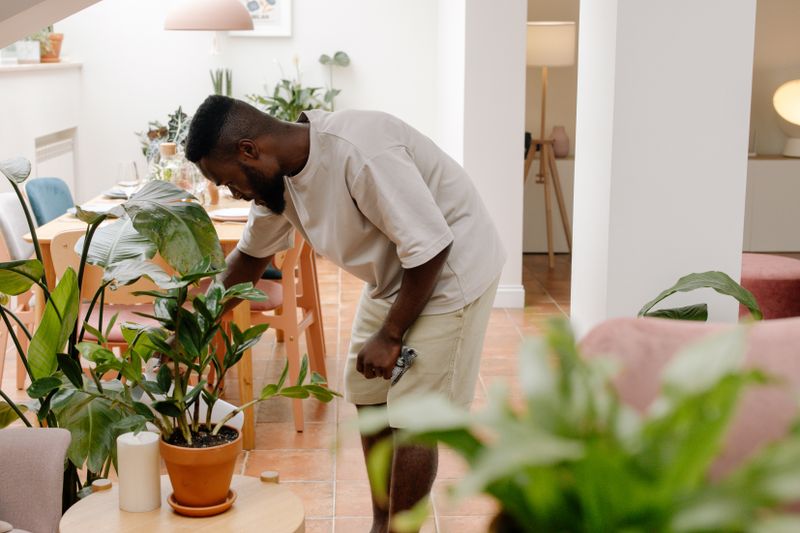
Placement is one of the most overlooked factors. A spider plant stuffed in a dark closet does nothing. The same plant near a sunny kitchen window where cooking fumes gather does real work. Think about which rooms generate the most pollutants and where you spend the most time.
Consider these placement strategies:
- Bedrooms: snake plants and aloe, since they release oxygen overnight
- Kitchens: pothos or spider plants to absorb cooking fumes and grease particles
- Bathrooms: Boston ferns and peace lilies, which thrive in humidity and fight mold
- Home offices: rubber plants or ZZ plants to reduce dust and improve focus
- Living rooms: a mix of larger specimens like rubber trees for visual impact and dust control
Pollutants also come from unexpected places — paint, carpets, candles, printers, even new furniture. These are the kinds of overlooked home health hazards that a few scattered plants won’t fully fix, but strategic placement near the sources makes any air-cleaning effort more effective.
Rotating Plants for Better Results
Plants photosynthesize at different rates depending on light. If you move them every few weeks between brighter and dimmer spots, you keep them healthier and more active. A thriving plant filters more than a struggling one, so rotation beats letting a specimen languish in a bad corner for months.
Safety, Pets, and Hidden Trade-Offs
Here’s the uncomfortable truth about many popular air-cleaning plants: they’re poisonous. Peace lilies, pothos, philodendrons, and English ivy all contain compounds that can sicken cats and dogs who nibble on leaves. Children can also react badly to sap or berries.
If you share your space with curious animals or toddlers, lean toward pet-safe varieties. Spider plants, Boston ferns, areca palms, parlor palms, and African violets are generally considered non-toxic. They won’t cover every air-cleaning niche, but they eliminate the worry.
Another trade-off is mold. Overwatered pots become breeding grounds for fungal spores — the very problem you were trying to solve. Use well-draining soil, avoid saucers full of standing water, and let the top inch dry before rewatering. Terracotta pots breathe better than plastic ones, which helps roots stay healthy and reduces damp buildup around the base.
Building a Smarter Strategy Beyond Just Plants
Plants alone won’t rescue bad indoor air. They’re one tool in a broader toolkit. The most effective approach combines them with practical habits that cut down pollution at the source. Open windows when the weather allows, even for ten minutes a day. Run exhaust fans while cooking. Swap scented candles for unscented beeswax or soy. Vacuum with a HEPA filter weekly, and wash bedding on hot cycles to kill dust mites.
A portable air purifier with a true HEPA rating does more heavy lifting than any shelf of greenery. Pair one with a few well-placed plants, and you cover both measurable filtration and the gentler benefits foliage provides. Think of it as teamwork rather than a competition.
Everyday Habits That Multiply the Effect
Small routines compound over time. A few worth building in:
- Wipe down plant leaves monthly so they can breathe and photosynthesize fully
- Replace HVAC filters every 60 to 90 days
- Keep humidity between 40 and 60 percent to discourage mold and dust mites
- Store cleaning chemicals in sealed containers, not under open sinks
- Take shoes off at the door to cut tracked-in pollutants
None of these are glamorous, but together they shift the baseline of what you’re breathing far more than any single purchase.
Conclusion
Greenery earns its spot in the home, just not for the reasons Instagram would have you believe. The science on foliage as an air purifier is modest, but the broader case — humidity, oxygen, stress relief, and a touch of toxin absorption — still holds up. The trick is to stop treating plants like appliances and start treating them like partners in a larger plan.
Pick species that match your light, your schedule, and the people and animals you live with. Place them where pollutants actually gather. Water them properly so they help rather than harm. Then layer in ventilation, filtration, and cleaner habits around them. That combination does what a lonely fern on a windowsill never could.
Breathing better every day isn’t about chasing the perfect plant list. It’s about building an environment where good air is the default, not the exception. Start with two or three plants you can realistically care for, open a window more often, and let the rest grow from there.