
Caring for a loved one who is aging, recovering from illness, or living with a chronic condition can be both rewarding and overwhelming. Many families want to provide the best care possible but often struggle to balance caregiving responsibilities with work, parenting, and personal obligations. Over time, the physical, emotional, and logistical demands can become difficult to manage alone.
This is where local home care services can make a meaningful difference. By bringing professional support directly into a patient’s home, these services help families address common caregiving challenges while allowing loved ones to remain in a familiar and comfortable environment.
From assistance with daily tasks to companionship and health monitoring, local support systems can dramatically improve quality of life for both patients and their families.
Below are some of the most common challenges families face—and how local home care can help solve them.
Managing Daily Living Activities
One of the biggest challenges families encounter when caring for a loved one is managing everyday tasks. Activities such as bathing, dressing, meal preparation, medication reminders, and housekeeping may seem simple, but they can become difficult or even dangerous for seniors or patients recovering from illness.
When families attempt to handle all these responsibilities themselves, it can quickly lead to exhaustion and burnout. In some cases, loved ones may not have the training or physical strength required to provide safe assistance.
This is where local home care becomes extremely valuable. Caregivers are trained to help with activities of daily living while maintaining the dignity and independence of the patient. They can assist with mobility, personal hygiene, grooming, and other essential tasks that ensure a person’s health and comfort.
Additionally, caregivers can help maintain a safe and organized home environment. Simple actions such as preventing fall hazards, ensuring proper nutrition, and maintaining medication schedules can significantly reduce the risk of accidents or health complications.
Because services are provided within the home, local home care allows individuals to continue living in familiar surroundings rather than relocating to an assisted living facility or nursing home. This can provide emotional comfort and a sense of independence that many patients deeply value.
Reducing Family Caregiver Stress
Family caregivers often juggle multiple roles. They may be responsible for work, childcare, household responsibilities, and caregiving at the same time. Over time, this constant pressure can lead to emotional stress, fatigue, and even health issues for the caregiver.
Many caregivers also experience feelings of guilt when they cannot provide all the care their loved one needs. They may worry about leaving the person alone, missing medication times, or not being able to respond quickly in case of emergencies.
Professional caregivers can ease this burden. By partnering with local home care providers, families gain reliable assistance that allows them to take breaks, focus on work responsibilities, or simply recharge emotionally.
This support system helps caregivers avoid burnout while ensuring their loved one continues receiving attentive care. Having a trained professional present can also bring peace of mind to family members who live far away or cannot visit daily.
Furthermore, caregivers from local care agencies often build strong relationships with patients and families. Their presence can create a supportive and compassionate environment where patients feel valued and understood.
When caregiving responsibilities are shared, families are better able to maintain healthy relationships with their loved ones rather than feeling overwhelmed by constant demands.
Combating Loneliness and Isolation
Social isolation is another common challenge for seniors and patients who spend most of their time at home. Limited mobility, transportation issues, or health concerns can make it difficult for them to stay connected with friends, neighbors, or community activities.
Loneliness can have serious consequences for both mental and physical health. Studies have linked social isolation to depression, cognitive decline, and even increased risk of certain illnesses.
Companionship is one of the most meaningful benefits offered through local home care services. Caregivers provide conversation, emotional support, and social engagement that can brighten a patient’s day.
A caregiver may spend time talking, playing games, taking short walks, or assisting with hobbies the patient enjoys. These interactions help create routine, mental stimulation, and emotional connection.
Providing care for a loved one can be one of the most meaningful roles a person takes on, but it also comes with many challenges. Managing daily tasks, coping with caregiver stress, and addressing loneliness are just a few of the difficulties families may encounter along the way.
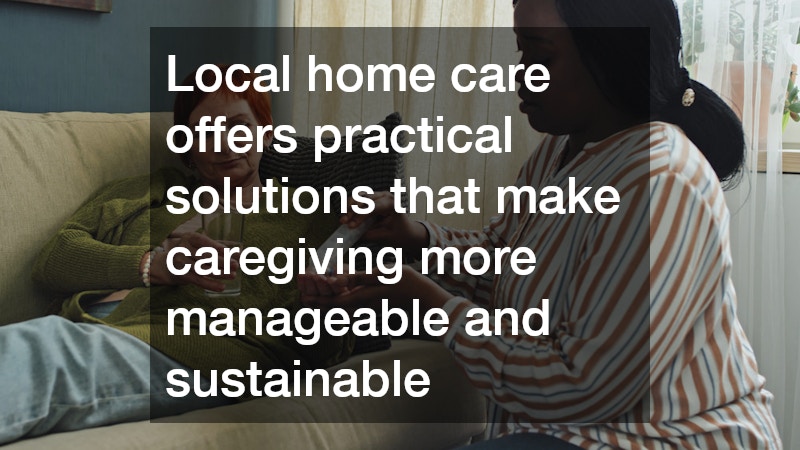
Fortunately, local home care offers practical solutions that make caregiving more manageable and sustainable. By providing professional assistance with daily activities, emotional support, and companionship, caregivers help patients remain safe, comfortable, and independent in their own homes.
For families, these services offer reassurance that their loved ones are receiving compassionate care even when they cannot be present at every moment. With the support of local home care, families can focus on what matters most—spending meaningful time together and ensuring their loved ones live with dignity, comfort, and respect.